Sign in to contact suppliers & manage leads
Improve website visibility with On Page SEO Services. Optimize content, keywords, meta tags, images, URLs, and internal links for better SEO.
Verified and audited suppliers directory
 Featured
Uttam Nagar, Delhi • Est. 2015 • Service Provider
3D WEBER - Digital Marketing Agency provides professional SEO services to help businesses improve their online visibility and reach more customers. Our services...
 Featured
Uttam Nagar, Delhi • Est. 2015 • Service Provider
PKS IT Solutions provides professional SEO services to help businesses improve their website visibility and reach more customers through Google search. Our serv...
 Featured
Uttam Nagar, Delhi • Est. 2015 • Service Provider
Adteck India provides professional SEO services to help businesses improve their Google rankings, website visibility, and online reach. Our services include loc...
 Featured
Uttam Nagar, Delhi • Est. 2015 • Service Provider
Gorajveer Digital Marketing & Ecommerce Agency in Delhi provides professional SEO services to help businesses improve their Google visibility and reach more cus...
 Featured
Uttam Nagar, Delhi • Est. 2015 • Service Provider
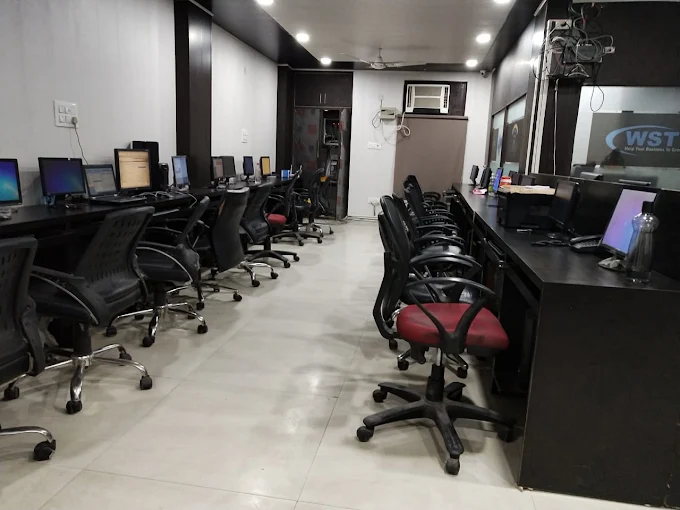
WebSpy Technology provides professional SEO services to help businesses improve their website rankings and online visibility. Our services include local SEO, on...
Uttam Nagar, Delhi • Est. 2015 • Service Provider
Tech N Corner provides professional SEO services in Delhi to help businesses improve their Google visibility and reach more potential customers. Our services in...
Authentic feedback from buyers and clients who hired suppliers in this directory.
Be the first verified client to share feedback for suppliers in this directory.
On Page SEO Services help improve individual pages of a website so search engines can understand their content and users can easily find the information they need. It includes optimizing page titles, meta descriptions, headings, website content, images, URLs, and internal links.
On-page SEO is an important part of website optimization. It helps search engines understand the topic of each page and how well it matches a user's search. Whether you have a business website, service website, blog, or ecommerce store, proper on-page optimization can make your pages more useful and search-friendly.
When people search for products, services, or information on Google, search engines try to show pages that best match their needs. If your website pages have poor content structure or missing SEO elements, search engines may find it difficult to understand them.
On-page SEO helps solve these problems by improving important page elements.
Helps search engines understand page topics.
Makes website content more relevant to search queries.
Improves keyword targeting and placement.
Creates a better reading experience.
Helps visitors find important information.
Supports better website crawling and indexing.
Improves connections between related website pages.
Proper on-page optimization offers several benefits for websites across different industries.
Using relevant keywords in page titles, headings, URLs, and content helps search engines understand what your page offers. It also helps your website target the right search queries.
Well-organized content, clear headings, readable paragraphs, and useful links make it easier for visitors to explore your website.
Content optimization focuses on answering user questions, matching search intent, and providing useful information instead of simply repeating keywords.
Image SEO includes descriptive file names, suitable image formats, compressed file sizes, and meaningful alt text. These elements help search engines understand website images.
Internal links connect related pages on your website. They help visitors discover more information and allow search engines to find important pages.
Proper headings, structured data, canonical tags, and other page-level elements help search engines understand website content and page relationships.
On-page SEO includes different activities that improve the content, structure, and HTML elements of individual website pages.
The SEO title tells users and search engines what a page is about. We focus on writing clear, relevant titles that include the main keyword naturally and describe the page accurately.
A meta description is a short summary of a webpage shown in search results. It should explain the page content and give users a reason to visit.
Keyword research helps identify the words and phrases people use when searching online.
Important keyword types include:
Primary keywords
Secondary keywords
Long-tail keywords
Related search terms
Semantic keywords
These keywords are added naturally to relevant sections without overusing them.
Headings organize website content into clear sections.
H1: Main page heading.
H2: Main content sections.
H3: Subsections under H2 headings.
A proper heading structure makes content easier to read and understand.
Content optimization improves existing website text or adds useful information where needed. It focuses on search intent, topic coverage, readability, and relevant keywords.
Image optimization includes:
Adding descriptive image alt text.
Using meaningful image file names.
Compressing large images.
Choosing suitable image formats.
Improving image loading speed.
Internal linking connects related pages using relevant anchor text. For example, a page about SEO services can link to related pages about technical SEO and local SEO.
Short and readable URLs help users understand page topics. URLs should be simple, relevant, and easy to remember.
This includes checking page-level technical elements such as canonical tags, indexing settings, mobile usability, structured data, and duplicate content issues.
A proper optimization process helps identify problems and improve website pages step by step.
Step 1: Website SEO Audit
Review website pages to find missing titles, duplicate descriptions, content gaps, broken links, and other optimization issues.
Step 2: Keyword Research
Find relevant keywords based on your services, products, target audience, and search intent.
Step 3: Content Analysis
Check whether existing content answers users' questions and covers the main topic properly.
Step 4: On-Page Implementation
Optimize page titles, meta descriptions, headings, content, images, URLs, and internal links.
Step 5: Technical Review
Check indexing settings, canonical tags, structured data, mobile usability, and other important page elements.
Step 6: Performance Monitoring
Use Google Search Console and SEO tools to monitor impressions, clicks, indexing status, and keyword performance.
Some common mistakes can affect website quality and search performance.
Using the same SEO title on multiple pages.
Writing duplicate or thin content.
Adding too many keywords unnaturally.
Missing or poorly written H1 headings.
Using irrelevant internal links.
Uploading large, unoptimized images.
Creating confusing URL structures.
Ignoring mobile usability.
Blocking important pages from indexing.
Fixing these issues can help make website pages more useful and easier to understand.
Before selecting an on-page SEO service, understand what your website needs. Look for a service that includes a detailed SEO audit, keyword research, content optimization, meta tag improvements, image SEO, and internal linking.
Also, check whether the work follows Google Search Essentials and focuses on useful content rather than keyword stuffing. Avoid services that promise guaranteed rankings because search positions depend on several factors.
Looking for verified suppliers in other locations? Explore top-rated On Page SEO Services companies across major Indian business centers:
Get multiple quotes for On Page SEO Services from top verified companies.